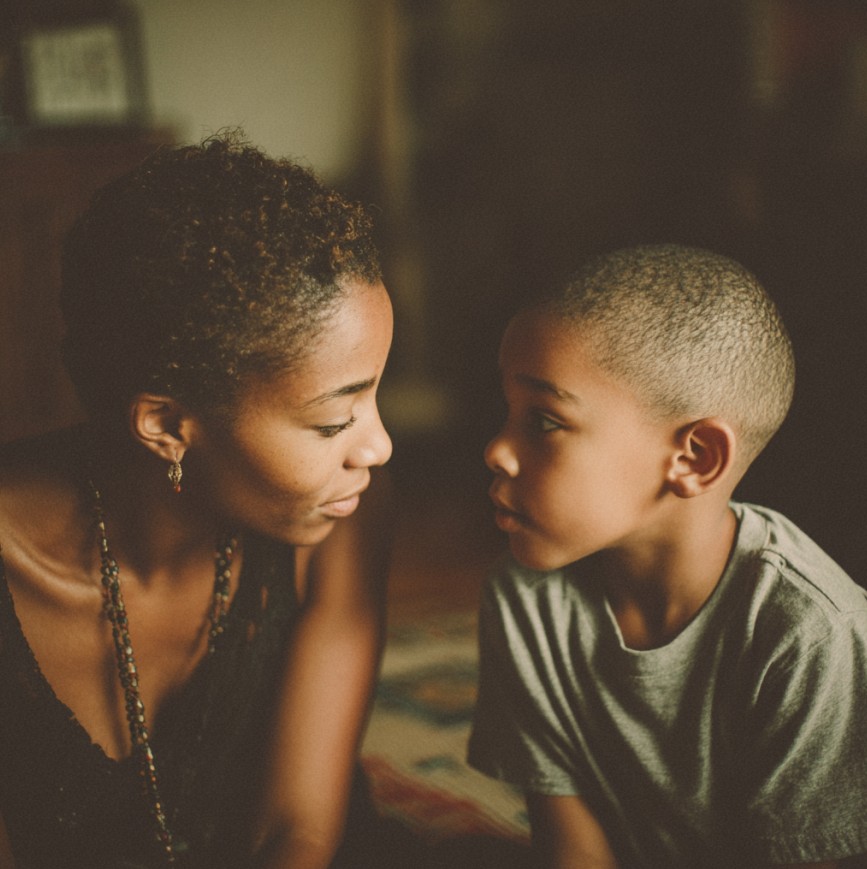
Black Moms Adopt is a blog about a black family along their adoption journey. The hope is to encourage black moms and families to adopt from foster care in the US.

  • And You Are…?

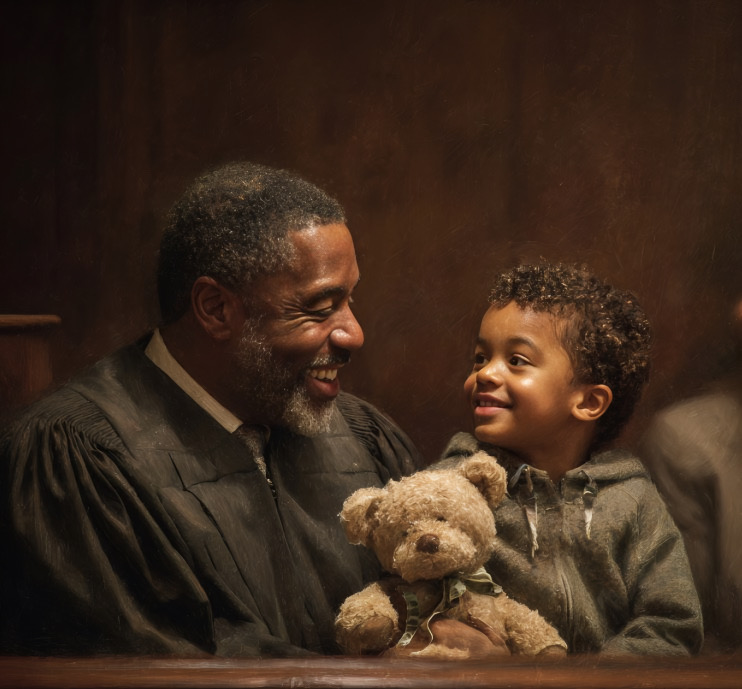
    Two months before the day Precious Boy (PB) came “home”, we met for first time at a playground. The social worker introduced me as a friend, “Miss Bea”.  PB was excited to climb on the monkey bars. Again and again, he squealed “hold me, hold me”.  Each time I answered, “I am here for you”. 

    We had 3-4 other visits and regular calls.  In our state, Social Services encourages the child and pre-adoptive family to get to know each before the child comes home (“the placement”).  There is supposed to be 1 week of getting to know you time for every year of the child’s life.  So, a five-year old might be placed 5 weeks after the placement decision is made.  (I was offered less time.  More on that later.) 

    One time when I came to pick PB up for an overnight visit from his childcare, the provider said “New Mommy is here to get you”.  She (not the social worker!) had already explained to him that he was going to have a new mommy.  (That’s another story!)  PB was adamant that I was not his new mommy.  Despite this, PB was still willing to come on the journey. The snack bribe might have helped.

    On the drive home, PB told me that New Mommy “doesn’t even know your name”. Maybe that was his way of saying, “I don’t know who you are either.  I am here with you, but New Mommy and I don’t really know about you.  Who are you?  Can I trust you?” At the time I didn’t think to ask about more about this “New Mommy”. What was her name?  What was she like?  Was she like the Easter Bunny? 

    As I think about it now, I imagine what it might be like as a child to be taken by people who are strangers.  When we got home that day, I heard him singing the ABCs.  When I asked him to sing again, he said, “maybe later”.  I could see PB was asserting that he had some control in the situation.  I had a lot to learn about my child and being his “New Mommy.”

    Bea Hopewell

  • Adoption Speak

    Adoption has its own language and words and names.   In adoption speak in America, we are a “forever family”.  My precious boy “came home” to his “forever home”.   Speaking about a forever can help a child feel rooted as they try to make sense of a big change and move. (A “forever home” sure sounds better than an ‘adoption placement’.)

    You’ll find there is more than one word for the same thing.  In some states in the U.S., there is a department of child welfare.  Other states have child protective services or departments of children and families.  Children may have social workers or resource workers. I even had terms.  At first, I was “a pre-adoptive parent” and then “an adoptive parent”.  A child who was adopted is an adoptee. There are birth parents and first parents. Some people use biological parents. People look for terms to honor the roles of the important people in children’s lives and along their adoption journey. 

    Adoption language has changed over time.  There are many reasons why we use some words and no longer use others. Our society’s values and understanding have changed about what children need. We know more about adoption.  Adopted adults have spoken up.   People have advocated for change. We realize over time that some terms feel hurtful or are harmful to children and their parents. More research has been done.  Using people-first language may lead to more shifts.  Maybe one day someone can study the changes in adoption lingo—and the advocacy it took to get there. 

    We can expect our language to continue to evolve as we learn more about adoption. We can hope that as we know better, we can do better.

    Bea Hopewell

  • From Worries to Wonders: My Journey Into Adoption Part II

    I wondered about myself as a parent, my future child and the child’s first parents.  (I will use “first parents”, because in our home we talk about how my child has many families who love him.)  I had heard stories about children who trash the house, hoard food, steal, set the house on fire, are oppositional, and the list goes on.  What would I say to the first parents if we ran into each on the train? (Did I say I have an active imagination? Can we say getting ahead of ourselves?)  My gut reaction to most of these situations was: I couldn’t deal with that!  Maybe this is not a good idea.” It was not, “Oh, how could I deal with these difficult situations?”  Ack! The Fear Factor!

    Spoiler alert: none of my worries have come to pass. 

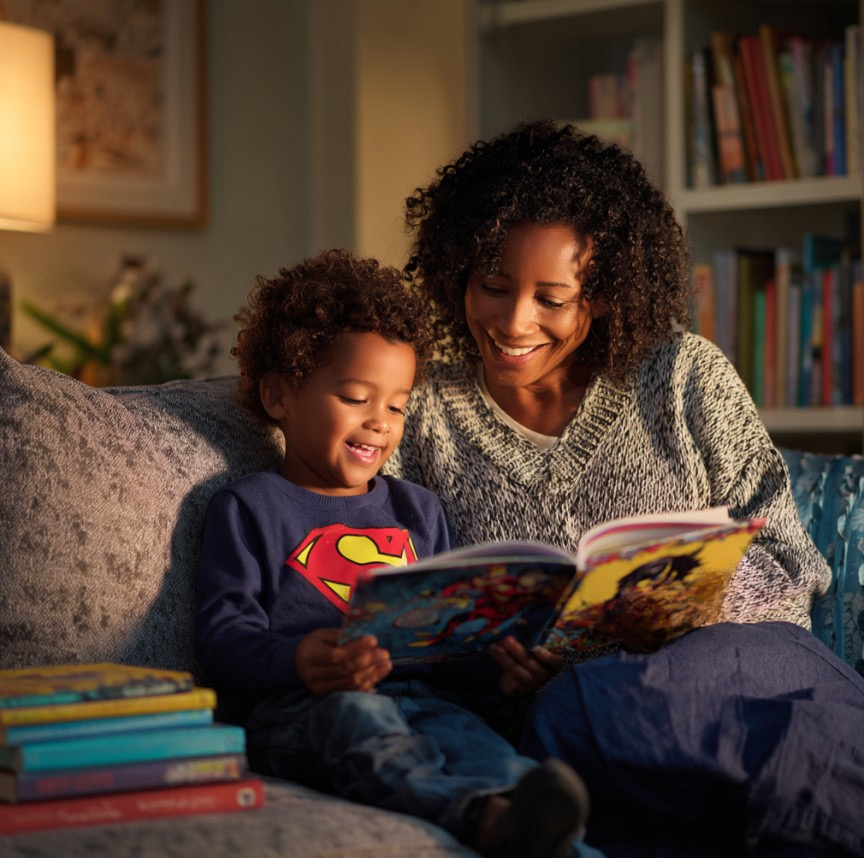
    What has happened is that:  Together, we have made a family. I have a bright loving son.  I love him dearly. He is growing beautifully. He has helped me grow in ways I could never have expected. I have learned to advocate for my son and other black boys.  What I could not have imagined is that my theme song would be “What You Won’t Do for Love”.  

    Lots of things have happened that I could not have anticipated. Some days are hard! New ideas and worries—and possibilities—come up and I deal with them (with lots of help)!  We are blessed to be part of a beautiful community with many families who love my child and us.  I continue to meet and learn with and from other adoptive families. And I pray!

    And the story continues. The end has not been written yet. (Cue up the song: Every day, I Write the Book).

    Bea Hopewell

  • From Worries to Wonders: My Journey Into Adoption

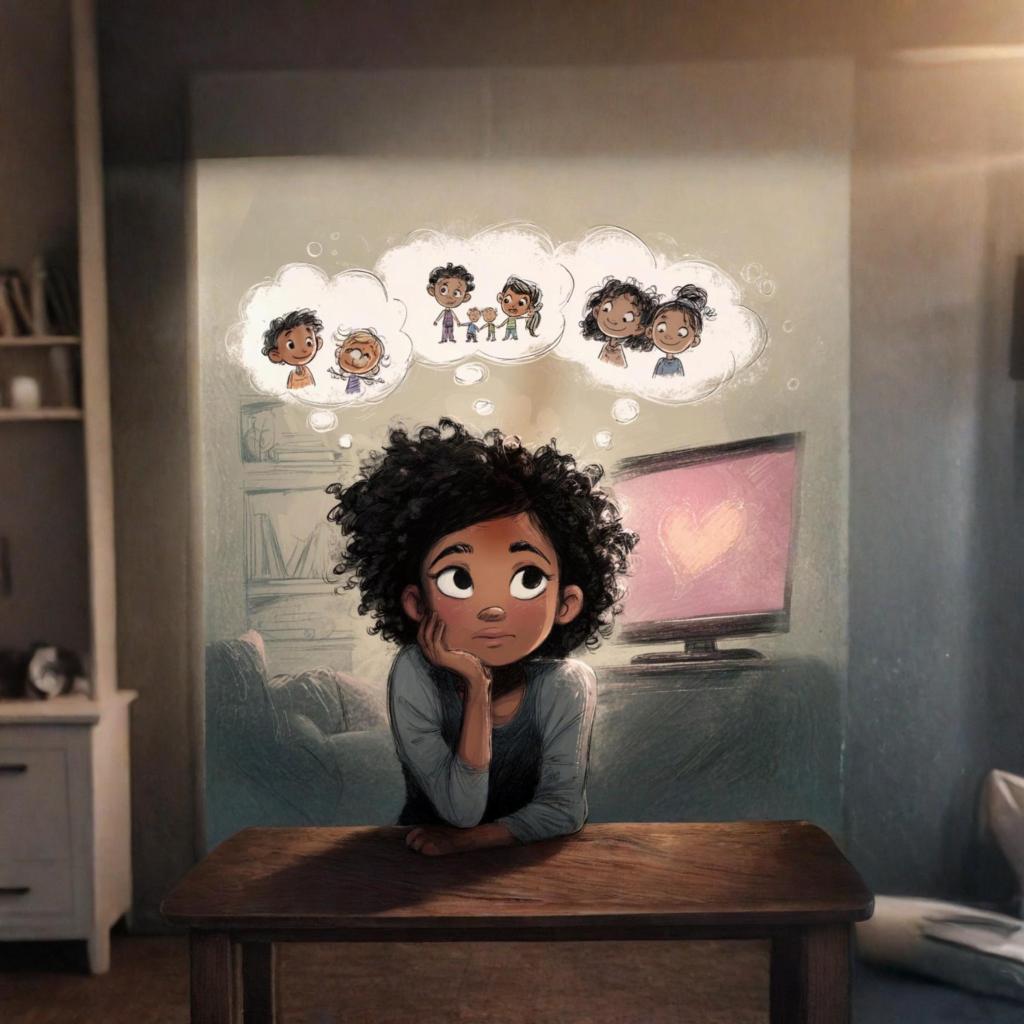
    As I reflect on adopting, I realize that I had a lot of ideas—and questions and worries and concerns. I had lots of stories in my head.

    The idea to adopt first came to me when I was seven. I had a plan to adopt. And no, this was not an example of special powers of manifestation. My other plan to have twins named Denise and Dennis at age 27 did not happen. As a child I used to wonder if I was adopted.  I suspect that much of my early thinking about adoptions was inspired by the after school specials I watched on my TV babysitter.  

    As an adult, when I was ready to have a family, I came back to the idea of adopting. I learned that that would be the first of many decisions to be made. Public or private? Domestic or International? Age? Race?  Open or Closed adoption?

    I decided to adopt from the US and through the child welfare system. Thinking of all the children here in the US who need caring families and homes made me want to do a public adoption.  I later learned that black children are over-represented in the child welfare system as a result of racism and bias. The expense of private adoption was also daunting.  I was disturbed to find out that black children cost less to adopt.  Who knew? Many families may look to adopt babies and young children, but I wanted to adopt a black boy or girl who was 4-6 years old.  As a single, older mom, I didn’t want to go through the diaper stage alone.  I was willing to do an open adoption where we kept in contact with the first parents.

    Some of my ideas about adoption were questions and worries.  For over two years, I went back and forth, worried about what my family would think.  I could hear my mother’s voice telling me to have my own when I was younger. When I finally got up the courage to tell, my family was excited. My dad just insisted on a full battery of psychological testing.  (Bless his heart as they say!) Even after my son came home, I wondered what my mother would have thought if she were alive. (I finally had a dream with a vision of her being pleased. Phew!)  One worry off the list. 

    To be continued in Part II.

    Bea Hopewell

Black Moms Adopt

Black Moms Adopt is a blog about a black family along their adoption journey. The hope is to encourage black moms and families to adopt from foster care in the US.

Sign up for news and updates!

© 2025 Black Moms Adopt. All rights reserved.